Call or Text: (314) 845-9393
  Hours: Mon - Fri: 7:00am To 6:00pm
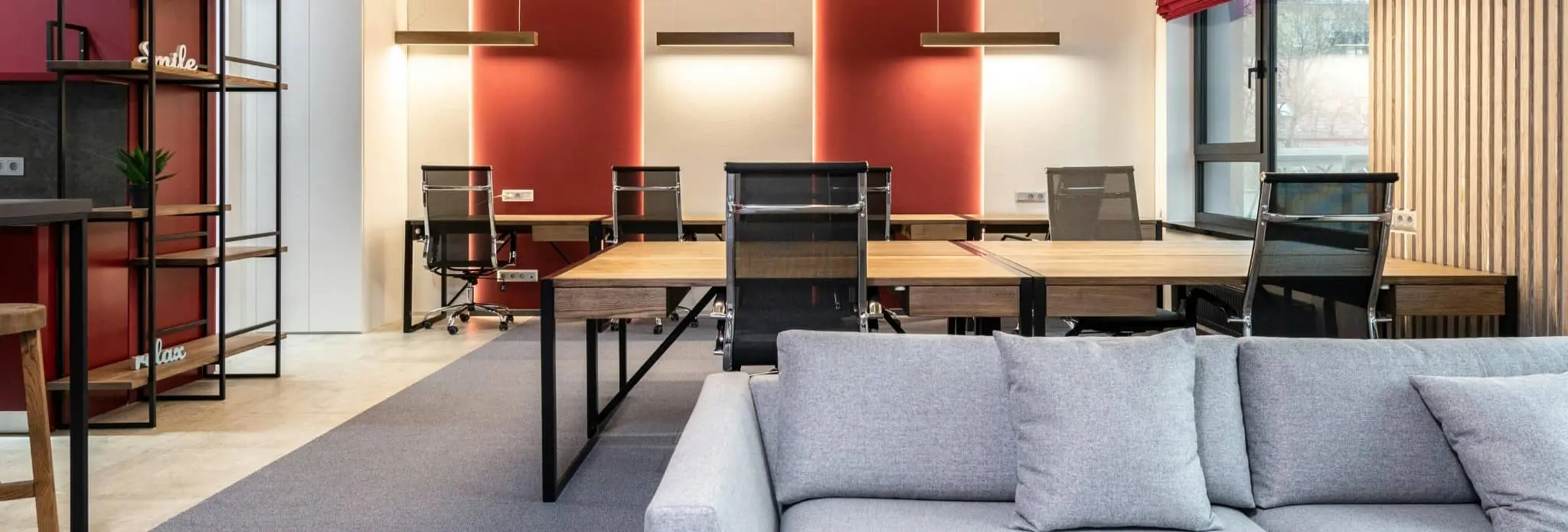

Cleaning for High-Traffic Commercial Spaces in St. Louis: Gyms, Banks, and Lobbies
High-traffic commercial spaces are where first impressions are formed and where cleanliness is tested the hardest. Gyms, banks, and building lobbies in St. Louis see a constant flow of people throughout the day. Every footstep, handprint, and spill adds up quickly. When these areas are not cleaned properly or often enough, wear becomes visible fast, and hygiene problems follow.
Cleaning high-traffic spaces is not about making things look good once a week. It is about managing continuous use, protecting surfaces, and maintaining a professional environment that feels clean at all times. Businesses that understand this difference are far better positioned to protect their reputation and their facilities.
Why High-Traffic Areas Require a Different Cleaning Approach
High-traffic spaces experience more contact, more dirt, and more exposure to moisture than typical offices or back-of-house areas. Floors collect grit and debris that grind down finishes. Touchpoints like doors, counters, and railings are handled by dozens or hundreds of people daily.
Standard cleaning routines often fall short because they are designed for low-traffic environments. In busy spaces, cleaning must be proactive rather than reactive. Waiting until dirt is visible usually means damage has already begun.
Professional commercial cleaning services are built around traffic patterns, not just square footage. Schedules, products, and techniques are adjusted based on how people actually use the space: https://stlouiscleaningteam.com/commercial-cleaning-st-louis/
Gyms: Managing Sweat, Moisture, and Constant Contact
Gyms are some of the most demanding environments to clean. High humidity, sweat, shared equipment, and constant movement create ideal conditions for bacteria and odors.
Floors are exposed to moisture and repeated impact from weights and equipment. Locker rooms and restrooms experience frequent use throughout the day. Equipment handles, benches, and mats are touched continuously.
Effective gym cleaning focuses on:
- Frequent disinfection of equipment touchpoints
- Moisture control to prevent odors and mold
- Floor care that protects against slipping and surface breakdown
- Consistent restroom and locker room sanitation
Missed cleanings in gyms do not just look bad. They create health risks and can drive members away quickly. Cleanliness is often one of the top factors people consider when choosing or staying with a fitness facility.
Banks: Cleanliness as a Trust Signal
Banks and financial institutions operate in a different environment, but cleanliness is just as critical. Customers expect these spaces to feel secure, professional, and orderly. Even small signs of neglect can undermine trust.
High-traffic areas in banks include entryways, teller counters, waiting areas, ATMs, and conference rooms. These surfaces are touched constantly and must be kept clean without disrupting operations.
Bank cleaning requires:
- Quiet, discreet service during or after business hours
- Attention to glass, counters, and flooring
- Careful handling around sensitive areas
- Consistent disinfection of shared surfaces
Because many bank interiors use polished floors and hard surfaces, professional floor maintenance plays a major role in preserving appearance over time: https://stlouiscleaningteam.com/blog/professional-floor-care-st-louis-businesses/
Lobbies: First Impressions Start at the Door
Building lobbies serve as the front door for offices, medical buildings, residential complexes, and mixed-use properties. They experience the highest foot traffic of any area in the building.
Dirt and debris are tracked in from outside, especially during St. Louis winters and rainy seasons. Glass doors show fingerprints quickly. Floors dull faster than interior areas.
Lobby cleaning must account for:
- Entry mat maintenance to reduce tracked-in debris
- Frequent floor cleaning and spot checks
- Glass and door handle cleaning throughout the day
- Trash and debris control during peak hours
Because lobbies are shared spaces, inconsistent cleaning reflects poorly on every business inside the building.
Floor Care in High-Traffic Commercial Spaces
Floors absorb the majority of wear in high-traffic environments. Dirt and grit act like sandpaper, slowly breaking down finishes and creating visible damage.
Different surfaces require different strategies:
- Hard floors need regular dust removal and periodic deep cleaning
- Carpeted areas require frequent vacuuming and scheduled extraction
- Polished concrete and tile benefit from sealing and maintenance programs
Professional floor care extends the life of surfaces and reduces long-term repair and replacement costs. In busy facilities, floor maintenance is not optional. It is part of protecting the building itself.
Touchpoint Disinfection and Hygiene Control
High-traffic spaces concentrate germs on shared surfaces. Door handles, railings, elevator buttons, counters, and seating areas must be disinfected consistently.
Effective cleaning focuses on:
- High-touch surfaces first
- Proper disinfectant dwell time
- Avoiding residue buildup
- Repeat attention throughout the day when needed
This level of detail is difficult to maintain without a structured cleaning plan and trained staff.
Cleaning Schedules Based on Traffic Patterns
One of the biggest mistakes businesses make is cleaning on a fixed schedule that ignores real usage. High-traffic spaces change throughout the day and week.
Gyms are busiest early mornings and evenings. Banks peak during lunch hours and specific days of the week. Lobbies experience surges during start and end of business hours.
Professional cleaning schedules are built around these patterns. Cleaning may happen multiple times per day in critical areas, with deeper cleaning performed after hours.
Why Inconsistent Cleaning Causes Accelerated Wear
When cleaning is skipped or delayed, damage compounds quickly. Floors lose their protective layers. Grime embeds into surfaces. Odors become harder to eliminate.
Once deterioration starts, it is far more expensive to reverse than to prevent. Businesses often end up paying for refinishing, repairs, or replacements that could have been avoided with consistent care.
High-traffic spaces are unforgiving. Small lapses become visible problems fast.
Employee Experience in High-Traffic Spaces
Employees working in gyms, banks, and lobby-facing roles spend their entire day in these environments. Poor cleanliness affects morale, comfort, and job satisfaction.
Clean spaces support:
- Safer working conditions
- Reduced illness and absenteeism
- Professional pride in the workplace
- Better interactions with customers and members
Businesses focused on retention and service quality cannot ignore the condition of their busiest areas.
Planning for Seasonal Challenges in St. Louis
St. Louis weather adds another layer of complexity. Snow, ice melt, rain, pollen, and dust all impact high-traffic spaces differently throughout the year.
Seasonal planning includes:
- Increased floor care during winter months
- Entryway attention during rainy seasons
- More frequent glass cleaning during pollen season
- Adjusted schedules during peak business periods
Professional cleaning teams anticipate these changes and adjust services accordingly.
Why Professional Cleaning Is the Practical Choice
High-traffic spaces demand consistency, training, and the right equipment. In-house cleaning often struggles to keep up with the pace and complexity of these environments.
Professional cleaners bring:
- Traffic-based cleaning plans
- Commercial-grade tools and products
- Accountability and quality control
- Flexible scheduling that minimizes disruption
For businesses managing constant public interaction, professional cleaning is not a luxury. It is part of daily operations.
Maintaining High Standards Where It Matters Most
Gyms, banks, and lobbies are not forgiving spaces. They reveal neglect quickly and reward consistency over time. Businesses that invest in proper cleaning protect their facilities, their brand, and the people who use their spaces every day.
Cleanliness in high-traffic areas sends a clear message about professionalism and care.
Professional High-Traffic Cleaning in St. Louis
Managing high-traffic commercial spaces takes planning and experience. St. Louis Cleaning Team works with gyms, financial institutions, and property managers to build cleaning programs that match real-world use, not generic schedules.
If your busiest spaces are showing wear or cleanliness is becoming harder to maintain, professional guidance can make a meaningful difference.
Contact us today to discuss high-traffic commercial cleaning solutions for your St. Louis facility.