Call or Text: (314) 845-9393
  Hours: Mon - Fri: 7:00am To 6:00pm

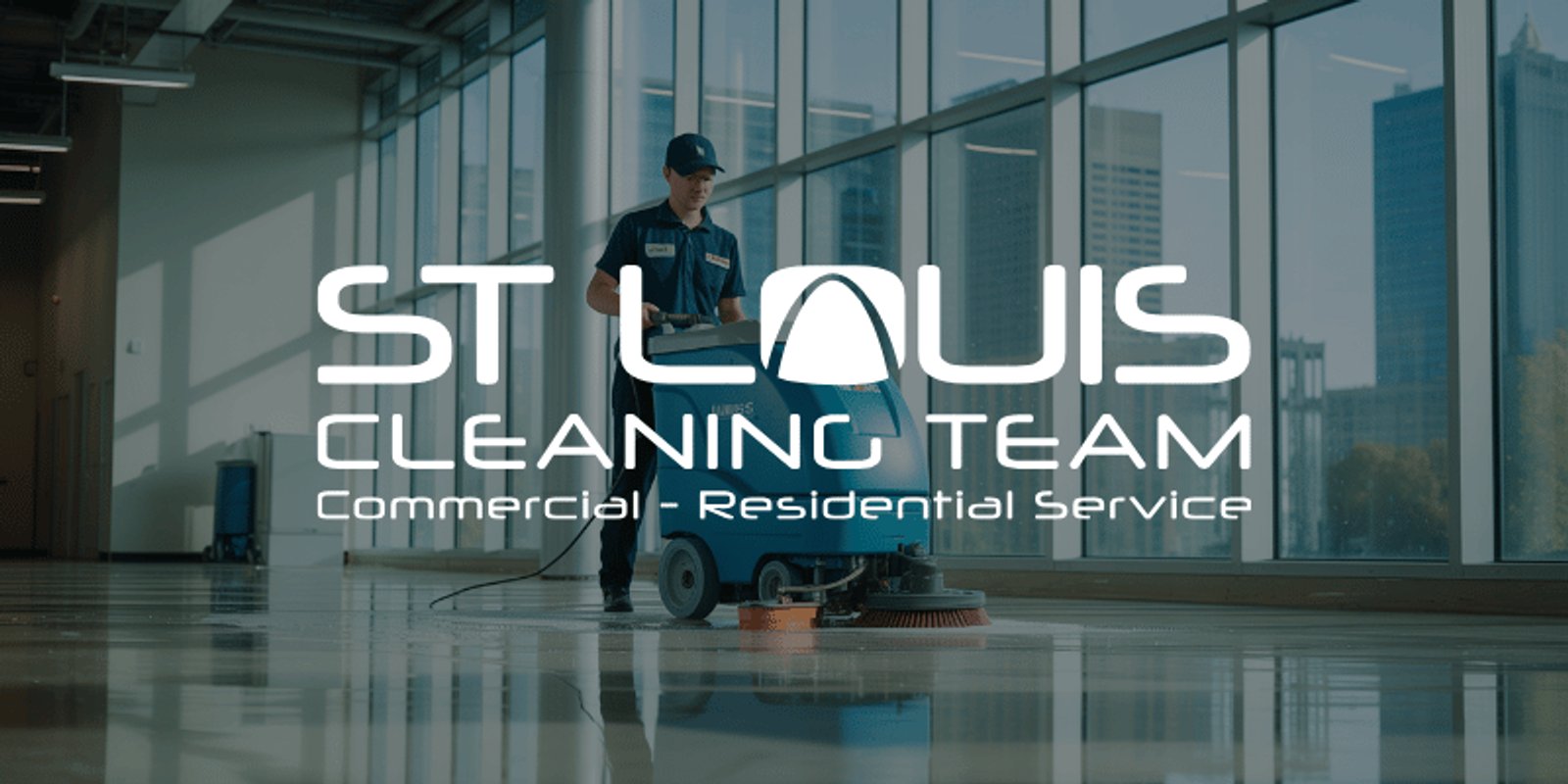

When businesses evaluate cleaning services, the first question is often, “How often will you clean?” Daily, weekly, or multiple times per day becomes the focus of the conversation. While frequency matters, it is not the most important factor in maintaining a professional commercial environment.
Consistency is what truly determines long-term cleanliness, surface longevity, and tenant satisfaction. In St. Louis commercial properties, inconsistent cleaning routines create more problems than slightly lower frequencies performed reliably. Understanding this difference helps property managers and business owners make smarter decisions about their cleaning strategy.
The Difference Between Frequency and Consistency
Frequency refers to how often cleaning occurs. Consistency refers to whether cleaning is performed the same way, to the same standard, every time.
A space cleaned five times a week with uneven quality will deteriorate faster than a space cleaned three times a week with disciplined, repeatable standards. Missed tasks, rushed work, and fluctuating performance create gaps that accumulate over time.
Consistency builds predictability. Predictability protects property condition.
How Inconsistent Cleaning Creates Gradual Decline
Inconsistent cleaning rarely causes immediate failure. Instead, it creates gradual decline.
One day, floors are thoroughly mopped. The next, corners are skipped. Trash is emptied regularly, but baseboards are forgotten. Restrooms are cleaned daily, but fixtures are not disinfected properly every time.
These small inconsistencies compound. Dirt embeds into surfaces. Grime builds in grout lines. Odors develop slowly. By the time problems are visible, corrective cleaning becomes far more expensive.
A structured cleaning program prevents this slow erosion.
The Role of Checklists and Standardized Procedures
Professional cleaning relies on defined procedures and detailed checklists. Every visit follows the same steps, regardless of who is assigned.
This standardization ensures:
- No areas are forgotten
- High-touch surfaces are disinfected consistently
- Supplies are restocked reliably
- Floors receive proper attention
Without a defined system, cleaning becomes dependent on individual effort rather than measurable standards.
Businesses that rely on structured commercial cleaning services benefit from consistent implementation: https://stlouiscleaningteam.com/commercial-cleaning-st-louis/
Consistency is not about cleaning more often. It is about cleaning correctly every time.
Why Frequency Alone Does Not Solve Problems
Increasing cleaning frequency without addressing consistency simply multiplies inconsistent results.
For example:
- Restrooms cleaned multiple times per day may still develop odor if disinfection techniques vary.
- Floors mopped daily may dull prematurely if the wrong products are used inconsistently.
- Breakrooms wiped frequently may still accumulate bacteria if high-touch areas are overlooked.
Without standardization, frequency becomes a superficial solution.
Protecting Flooring and High-Wear Surfaces
Flooring is one of the most expensive assets in commercial buildings. Whether carpet, tile, vinyl, or polished concrete, floors absorb the majority of wear.
Consistent cleaning:
- Removes grit before it grinds into surfaces
- Maintains protective finishes
- Extends time between refinishing cycles
Inconsistent cleaning allows debris to embed, accelerating deterioration. Professional floor care programs emphasize repeatable maintenance to preserve surfaces long term: https://stlouiscleaningteam.com/blog/professional-floor-care-st-louis-businesses/
Consistency protects investments.
Tenant and Employee Expectations
In multi-tenant buildings and shared office environments, perception matters. Tenants and employees expect spaces to feel clean at all times.
If cleanliness fluctuates, even slightly, it becomes noticeable. People may not articulate exactly what is wrong, but they sense when standards slip.
Consistency creates trust. When occupants know a space will be maintained to the same standard daily, confidence in property management increases.
Quality Control and Accountability
Consistency requires oversight. Quality control measures such as supervisor inspections, documented checklists, and periodic walkthroughs ensure that standards remain stable.
In-house cleaning setups often struggle with accountability. Without defined performance metrics, cleaning quality can vary widely.
Professional cleaning providers implement structured quality control systems that reinforce consistent outcomes.
The Financial Impact of Inconsistent Cleaning
While inconsistent cleaning may appear less costly in the short term, it often leads to higher expenses over time.
Consequences include:
- More frequent deep cleaning to correct buildup
- Premature floor replacement
- Increased tenant complaints
- Higher maintenance labor costs
A consistent cleaning program reduces these financial risks by preventing deterioration rather than reacting to it.
Seasonal Challenges in St. Louis
St. Louis weather introduces additional complexity. Winter salt, spring pollen, summer humidity, and fall debris all affect interior conditions.
Consistency ensures that seasonal adjustments are applied reliably. Entryways receive extra attention during snow season. Dust control increases during pollen spikes.
Without a consistent framework, seasonal challenges overwhelm cleaning routines and degrade interior conditions quickly.
Why Structured Contracts Support Consistency
Contract-based cleaning services provide clarity in scope, frequency, and accountability. Defined agreements establish expectations and reduce ambiguity.
Rather than informal arrangements or fluctuating standards, contract cleaning reinforces discipline and repeatability: https://stlouiscleaningteam.com/blog/contract-cleaning-services-st-louis/
Consistency thrives in structured environments.
Consistency as a Competitive Advantage
Businesses often underestimate how much consistent cleanliness affects brand perception. Clients may not consciously evaluate cleaning routines, but they notice when environments feel orderly and maintained.
Consistent cleaning communicates professionalism and operational stability. It reflects attention to detail and respect for occupants.
In contrast, inconsistent cleaning suggests internal disorganization.
Building a Cleaning Program That Delivers Stability
To prioritize consistency, property managers and business owners should focus on:
- Clearly defined scopes of work
- Standardized procedures
- Regular quality inspections
- Reliable scheduling
- Open communication with cleaning providers
When these elements align, frequency becomes a secondary variable rather than the primary concern.
Long-Term Value Through Reliable Standards
Consistency reduces surprises. It prevents small issues from escalating and protects commercial interiors over time.
While frequency can be adjusted based on traffic and budget, consistency should never be compromised. It is the foundation of effective commercial cleaning.
Businesses that prioritize consistent standards experience fewer complaints, longer-lasting surfaces, and smoother operations.
Professional Cleaning Support for Consistent Results
St. Louis Cleaning Team works with commercial properties to build structured cleaning programs that emphasize reliability and repeatable quality. By focusing on consistent standards rather than just frequency, businesses can protect their facilities and maintain professional environments year-round.
If your cleaning program feels unpredictable or uneven, professional guidance can help restore stability.
Contact us today to discuss consistent commercial cleaning solutions for your St. Louis property.