Call or Text: (314) 845-9393
  Hours: Mon - Fri: 7:00am To 6:00pm
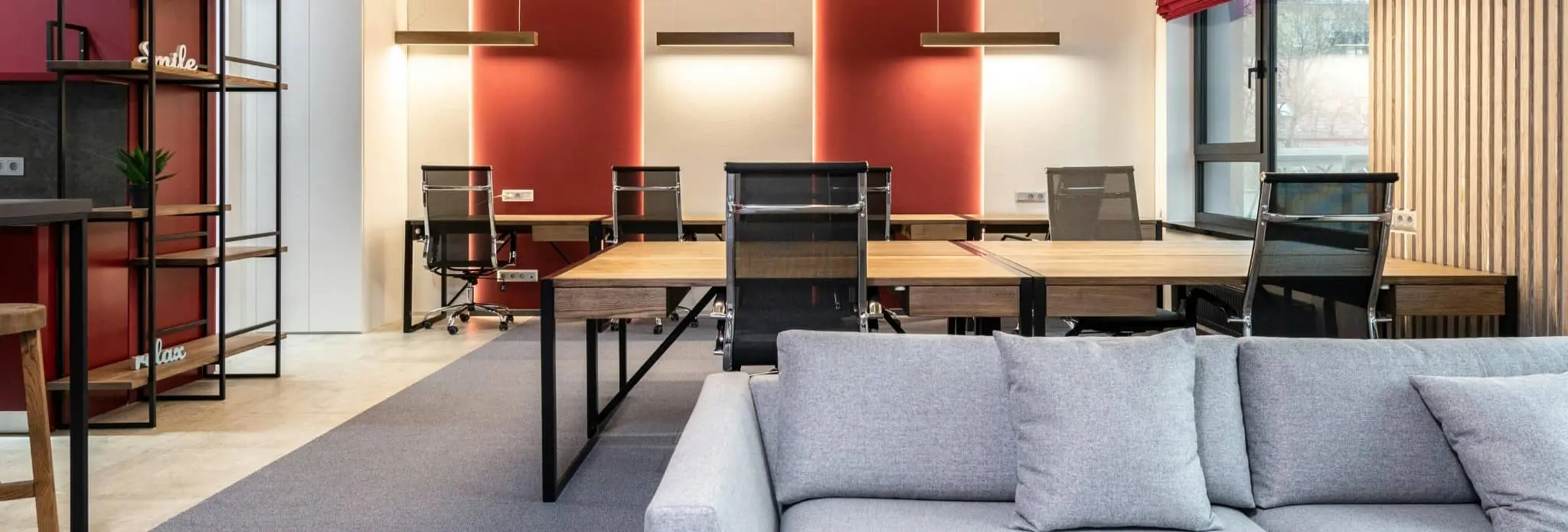

Yes, cleaning can absolutely be done after business hours. In fact, for many offices and commercial properties, it is the most practical way to handle routine cleaning.
Business owners often assume after-hours service is only for large buildings or executive spaces, but that is not really the case. Smaller offices, client-facing businesses, mixed-use properties, and professional suites all benefit when cleaning happens at a time that does not compete with staff, customers, or daily operations.
The real question is not whether after-hours cleaning is possible. The real question is whether it makes the most sense for your building.
For many St. Louis businesses, the answer is yes because it reduces interruptions, improves access to shared spaces, and makes it easier to keep the building ready for the next workday.
Why Businesses Prefer After-Hours Cleaning
Most businesses do not want vacuums running near meetings, restroom floors being mopped during client visits, or trash being handled while staff are trying to work.
After-hours cleaning solves a lot of that friction by moving the work into a quieter window. When the building is empty or mostly empty, cleaners can handle recurring tasks more efficiently and with less interference.
This often leads to better results because crews can:
- move through the building without waiting on traffic
- clean restrooms and breakrooms without interrupting use
- work on entryways and floors more safely
- complete touchpoint cleaning with fewer interruptions
The office is then reset before people walk in the next morning.
It Helps Professional Offices Preserve Privacy and Focus
For professional offices, after-hours service is often about more than convenience. It is also about privacy and workflow.
Law firms, accounting offices, financial offices, and executive suites tend to prefer quiet service windows because sensitive discussions, confidential materials, and client-facing meetings are part of normal operations.
The site already addresses this directly in confidential cleaning protocols for professional offices and executive-suite cleaning without interruptions. Those articles focus on high-trust office settings, but the same logic applies broadly: when the work happens after hours, the building can be cleaned without competing with the work being done inside it.
After-Hours Cleaning Often Improves Efficiency
Cleaning a building during the workday is possible, but it usually takes more coordination.
During business hours, crews may need to work around:
- occupied restrooms
- conference room use
- reception traffic
- food prep in breakrooms
- employees moving constantly through hallways
After hours, those barriers drop. That allows a more direct workflow and often makes it easier to clean to a consistent standard.
This is especially helpful in offices that need reliable routine service but do not want cleaning activity to become part of the daily employee experience.
It Is Often Better for Floors, Restrooms, and Shared Spaces
Some parts of a building are simply easier to clean well when they are temporarily out of use.
That includes:
- restroom floors
- lobby and entry areas
- breakrooms
- conference rooms
- hallways and common spaces
When those areas are empty, crews can clean more thoroughly and safely. Products have more time to do their job. Floors can dry properly. Shared spaces can be reset all the way instead of partially cleaned around people.
After-Hours Does Not Mean Every Building Needs Night-Only Service
This is the point where some business owners overcorrect. Just because after-hours cleaning works well does not mean every cleaning task has to happen then.
Some buildings benefit from a mixed setup:
- after-hours recurring cleaning for the main reset
- daytime day porter support for spills, supplies, and high-traffic upkeep
That kind of hybrid plan works especially well in common areas, larger facilities, and buildings with heavy daytime traffic. The site already positions day porter services as part of the commercial offering, which makes sense for businesses that need active support during the day without turning every task into a daytime janitorial visit.
Access and Security Need to Be Planned Clearly
After-hours service works best when access is organized up front.
That may include:
- key or badge procedures
- alarm instructions
- entry windows
- restricted rooms
- contact protocols if something unusual is found
None of this has to be complicated, but it does need to be clear. A good provider should ask about building access early, not as an afterthought.
Who Benefits Most From After-Hours Cleaning?
After-hours schedules are especially useful for:
- offices with regular client visits
- law and financial offices
- executive suites
- medical and professional spaces
- buildings with busy shared areas
- businesses that want a clean morning reset without daytime disruption
It is also useful for smaller businesses that simply do not want cleaning activity happening in the middle of the workday.
When Daytime Cleaning Still Makes Sense
There are still situations where daytime service is the better fit, or at least part of the fit.
Examples include:
- properties that need restroom supply checks throughout the day
- lobbies and shared spaces with frequent traffic
- buildings hosting events or heavy visitor flow
- facilities where spills and appearance issues need immediate attention
In those cases, the answer may not be daytime or after-hours. It may be both, with each serving a different purpose.
The Best Schedule Is the One That Supports the Building
The right cleaning schedule should fit the way your building operates, not force your operation to work around the cleaning.
For many St. Louis businesses, after-hours service is the cleanest solution because it protects:
- staff focus
- client experience
- privacy
- cleaning quality
- next-day readiness
If you are trying to decide whether after-hours service makes sense for your office, contact St. Louis Cleaning Team and we can help match the schedule to how your building actually runs.